
Fast, Reliable Specialty Roofing Across Chicago Loop
Specialty roofing in Chicago Loop typically runs $8,500-$45,000 depending on membrane type and building height, with most flat-roof assessments completed same-day and emergency tarping available within hours. We answer live at (855) 641-3418, 24 hours a day, because a peeled membrane edge on a Michigan Avenue high-rise does not wait for business hours.
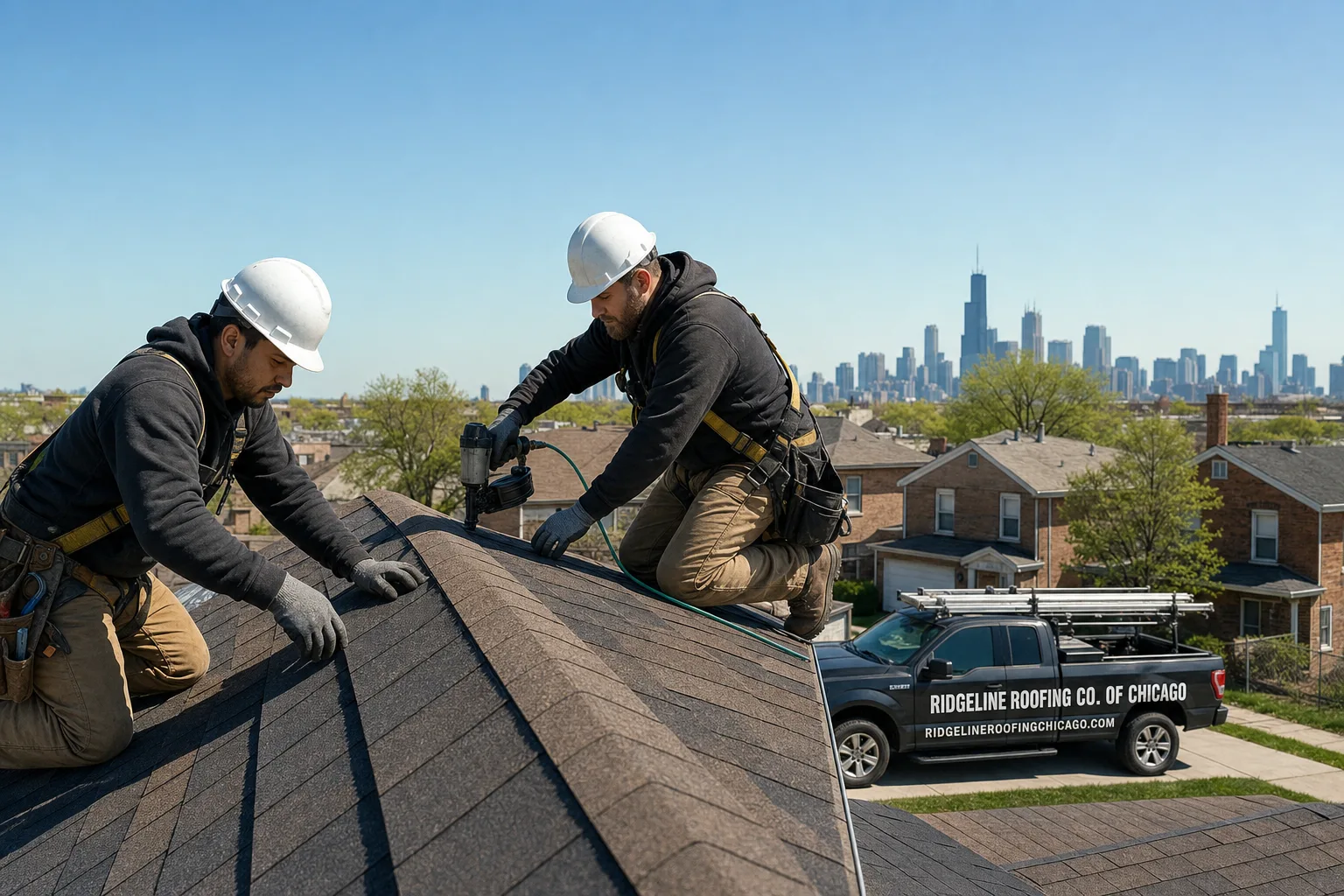
We’ve worked the Chicago Loop since 2016. Our crews know the difference between a 1920s terra cotta parapet and a 1960s concrete coping, and we know which fasteners hold against lake-driven wind. When a winter storm rolls off Lake Michigan with 50-mile gusts, the building manager on Wabash Avenue needs a roofer who has seen that exact failure before, not a suburban crew searching for parking. We’re local. We hire local. We train apprentices into journeymen who understand Chicago Loop’s specific buildings. That is why our Specialty Roofing team carries modified bitumen, TPO, and EPDM stock on every truck, ready for the Loop’s flat-roof emergencies.
Why Ridgeline Roofing Co. of Chicago Is Chicago Loop’s Preferred Specialty Roofing Company
Chicago Loop building managers and property owners have called Ridgeline Roofing Co. for over 42 years. We are not storm chasers who appeared after the last hail event. We are the company that repaired the same roof three times because the owner kept the building for thirty years, and we plan to be here when the next owner needs us too.
Our reputation here is specific. We reinforced the membrane seams and parapet counterflashing on a 1920s terra cotta building on Michigan Avenue after a winter storm peeled back the EPDM edge. Our crew installed a modified bitumen cap with GAF weathering-grade adhesive to match the historical parapet profile and meet the building’s preservation requirements. The property manager called us back for the neighboring building. That is how trust builds in Chicago Loop, one honest course at a time.
A live person answers every call, 24/7, including nights, weekends, and the middle of a storm. No voicemail trees. No callback windows. Our technicians are background-checked, uniformed, and arrive with photo-documented inspection reports taken from your actual roof, not a scary speech in the driveway. The 90-Day Done Right Promise covers every job: if it is not right, we come back and make it right, no paperwork, no arguing.
Response time to Chicago Loop is typically under two hours for emergency calls. We know the loading dock protocols, the freight elevator restrictions, and the after-hours access procedures for buildings on Dearborn, State Street, and Wacker Drive. That local knowledge saves hours on every job.
Our Specialty Roofing Services in Chicago Loop
Green Roof Installation and Maintenance
Chicago pioneered municipal green roof incentives in the early 2000s, and City Hall’s own rooftop garden became a national model. The Chicago Loop now has a higher density of green and cool-roof installations than almost any other US central business district. We regularly work around established growing media, drainage mats, and rooftop gardens that complicate tear-offs and re-roofing in ways that would be rare in a neighboring suburb or even other Chicago neighborhoods.
Our green roof service in Chicago Loop includes drainage mat stabilization under high wind, root-barrier inspection, and waterproofing membrane protection during plant bed maintenance. We install Boral and Owens Corning systems designed for the Loop’s specific wind exposure. A green roof on a Loop high-rise typically costs $18,000-$45,000 for installation and $2,500-$5,000 annually for maintenance.
TPO Roofing
TPO is the most common single-ply replacement for aging built-up roofs in Chicago Loop commercial buildings. The white reflective surface meets Chicago’s energy code requirements and reduces cooling loads on towers with original 1950s HVAC systems. But TPO edges are vulnerable here. Lake Michigan’s unobstructed easterly wind exposure creates uplift pressures that suburban roofers rarely encounter. We mechanically fasten TPO seams with barbed plates at 6-inch centers on parapet walls, not the 12-inch spacing common in inland markets. A typical TPO installation on a Chicago Loop mid-rise runs $12,000-$28,000.
Built-Up Roofing
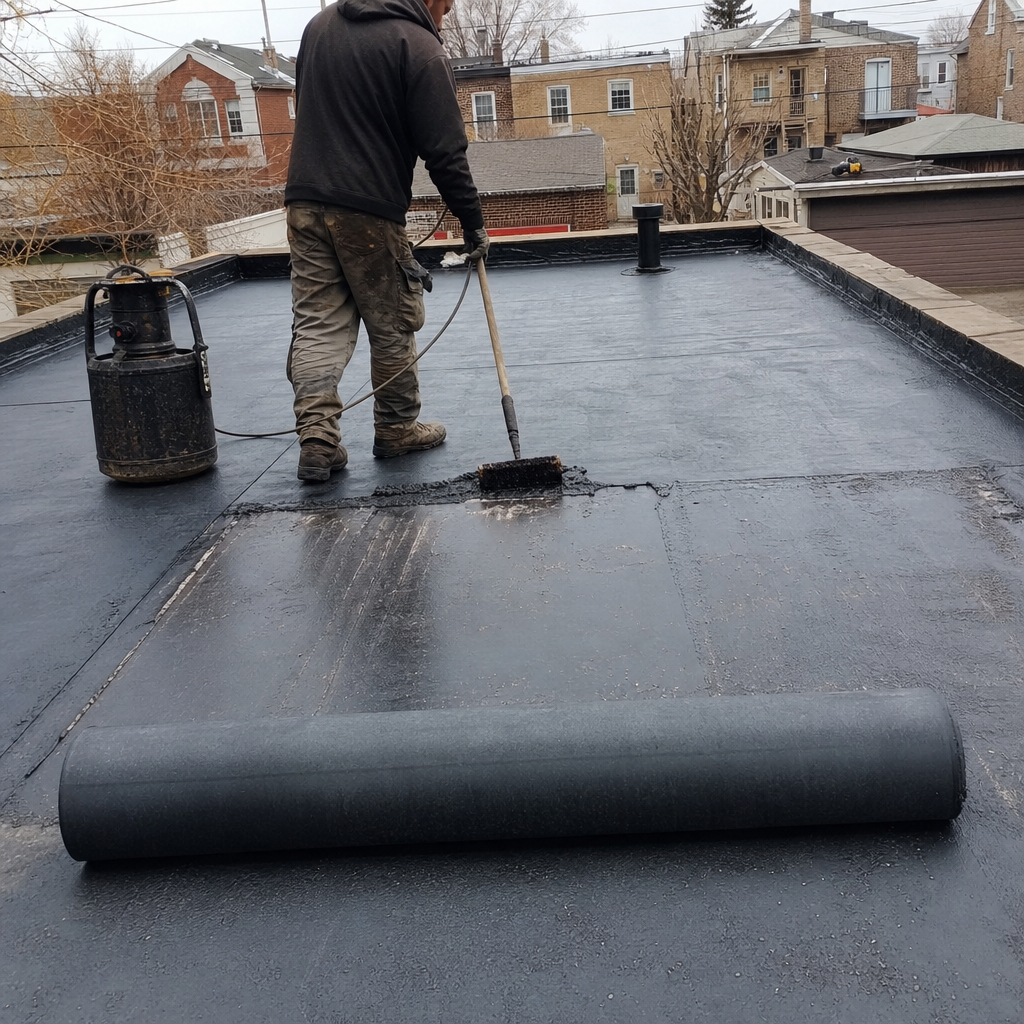
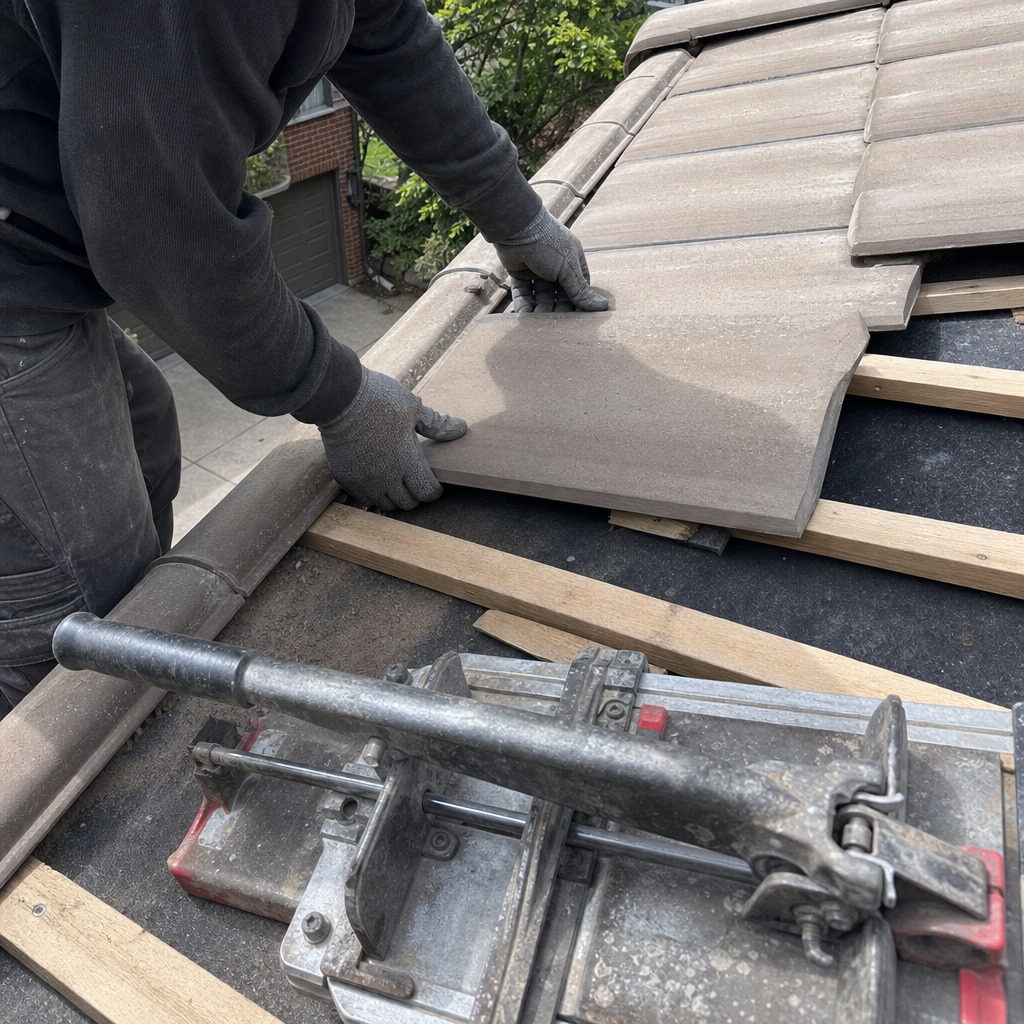
The Loop’s pre-WWII and mid-century building stock still carries original built-up asphalt and gravel systems. These multi-ply roofs can last 25-30 years when properly maintained, but Chicago’s 38-42 annual freeze-thaw cycles split surfacing and expose felts to ponding water. We repair built-up roofs with compatible hot-mopped modified bitumen patches, preserving the existing plies rather than recommending unnecessary full replacement. For buildings on LaSalle Street and Adams Street with historical designation, this preservation approach can save $15,000-$30,000 compared to membrane conversion.
EPDM Roofing and Modified Bitumen
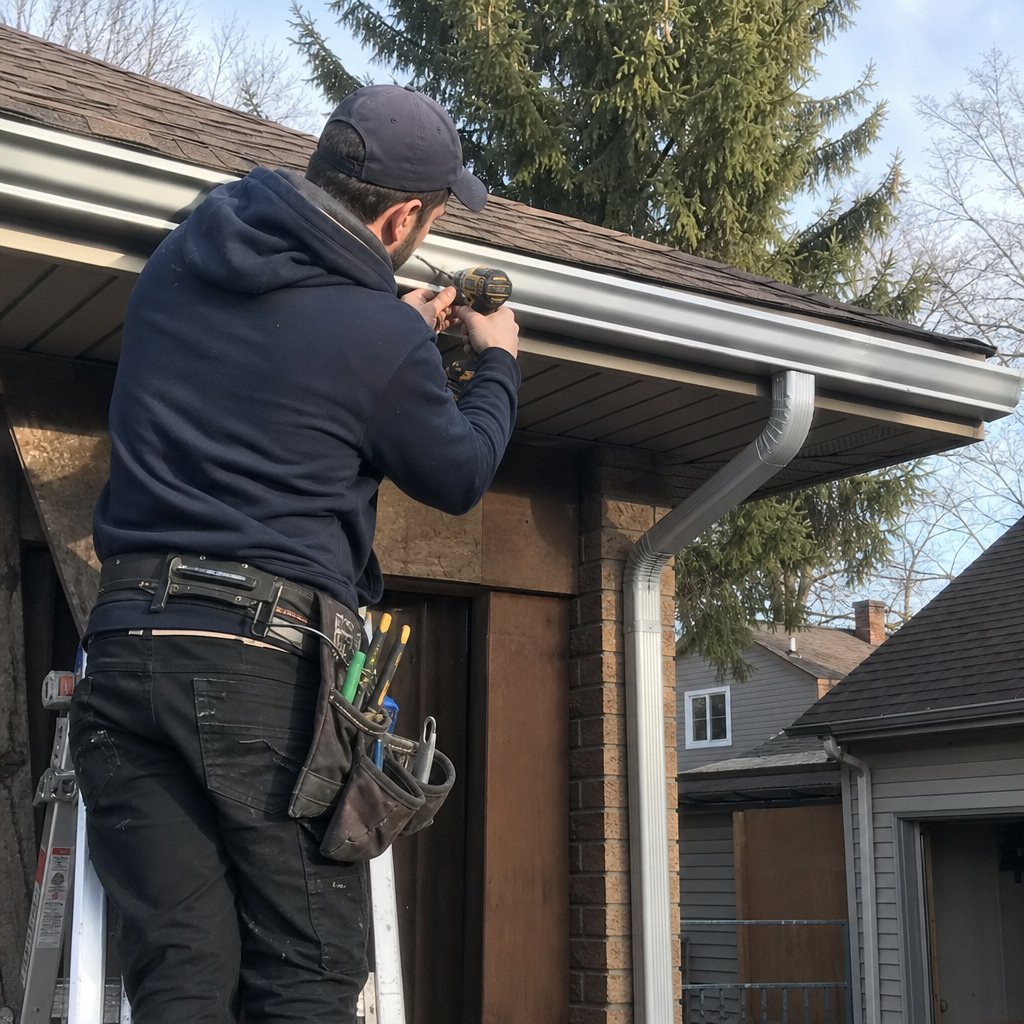
EPDM remains common on Chicago Loop roofs with complex penetrations and equipment clusters. The rubber membrane flexes around HVAC curbs and vent stacks that would stress TPO seams. We specify fully adhered EPDM on parapet walls where wind uplift is critical, avoiding the ballasted systems that lake gusts can shift. Modified bitumen serves as both repair material and cap sheet on transitions from built-up to single-ply. Our modified bitumen installations use torch-applied or cold-process adhesive depending on Chicago Loop fire code restrictions for the building class. EPDM replacement typically costs $10,000-$24,000; modified bitumen caps run $8,500-$19,000.
Solar Ready Roofing
Chicago Loop property owners preparing for photovoltaic installation need roofing that outlasts the panel warranty. Our solar-ready installations use Owens Corning and Atlas membranes rated for 25-year service life, with penetration flashing details that accommodate rail mounting without compromising the waterproofing layer. We coordinate structural load letters with Chicago’s Department of Buildings, a step many out-of-town solar contractors miss.
What happens when you call
- 1
A real person answersNo phone trees - you reach a local pro.
- 2
You get an upfront price rangeHonest numbers before anyone is dispatched.
- 3
A background-checked tech heads outLicensed & insured, dispatched right away.
- 4
You approve before work beginsNothing starts until you say go.
Trusted Brands We Service in Chicago Loop
We are authorized installers for GAF, CertainTeed, Owens Corning, IKO, Atlas, Tamko, and Boral. For Chicago Loop customers, this means we stock membrane rolls, adhesive, and flashing components locally, not ordered from a warehouse two states away. A TPO seam repair on Wacker Drive does not wait three days for freight. We carry GAF weathering-grade adhesive and CertainTeed modified bitumen cap sheets on every Chicago Loop truck. Proper materials, no substitutions. The brands we install are the brands you get.
Common Specialty Roofing Problems We See in Chicago Loop Homes
- Wind uplift peeling membrane edges from masonry parapets. Lake-effect storms drive easterly gusts against Chicago Loop high-rises with force that inland buildings never see. EPDM and TPO edges fastened with standard spacing peel back in sheets, exposing insulation and decking to cascading water damage.
- Freeze-thaw splitting at ponded-water seams. Chicago’s 38-42 annual freeze-thaw cycles mean any standing water on a flat roof expands and contracts repeatedly, splitting membrane seams and heaving metal flashings faster than in drier cities like Indianapolis or St. Louis.
- Green roof drainage mat displacement under high wind. Established rooftop gardens in the Loop lose drainage mats to lake gusts, exposing the waterproofing membrane to root intrusion and physical damage. Hidden leaks develop for months before reaching interior ceilings.
- Terra cotta parapet deterioration compromising counterflashing. The Loop’s ornate 1890s-1930s masonry parapets erode at mortar joints, loosening lead or metal counterflashing that secures the roof membrane. Standard suburban flashing details fail here because they do not account for the parapet’s historical profile and preservation requirements.
Pricing for Specialty Roofing in Chicago Loop, IL
Chicago Loop specialty roofing costs more than suburban work for straightforward reasons: high-rise access, freight elevator coordination, Chicago Department of Buildings permit fees, and the specialized skill required for historical masonry parapets. We quote upfront, and the number on the estimate is the number on the invoice.
| Service | Typical Range in Chicago Loop |
|---|---|
| TPO membrane replacement (mid-rise) | $12,000 - $28,000 |
| EPDM membrane replacement | $10,000 - $24,000 |
| Modified bitumen cap installation | $8,500 - $19,000 |
| Built-up roof repair/patching | $3,500 - $9,500 |
| Green roof installation | $18,000 - $45,000 |
| Green roof annual maintenance | $2,500 - $5,000 |
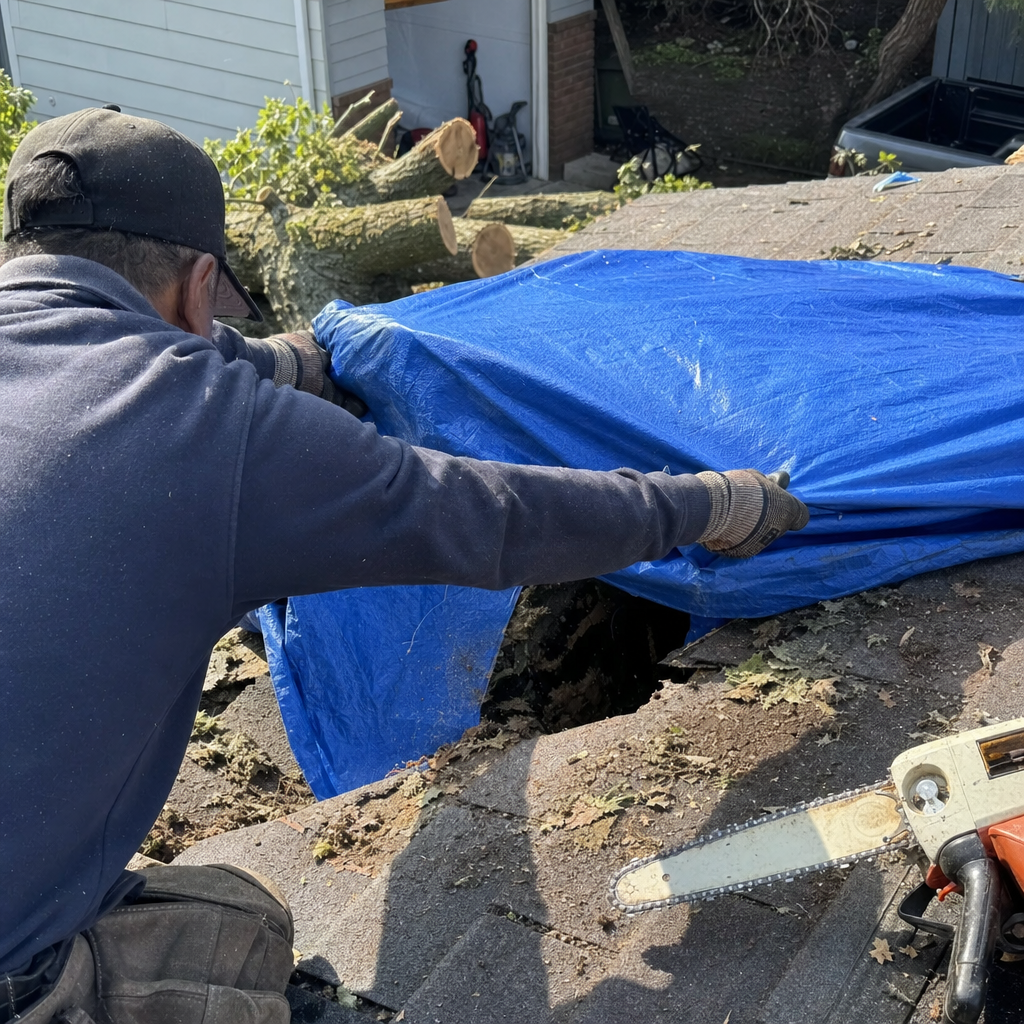
| Emergency tarping and stabilization | $850 - $2,200 |
Factors that move price within these ranges: building height and access method, existing membrane condition, parapet repair requirements, and whether the project triggers Chicago’s historical preservation review. We provide free written estimates with photo documentation. Call (855) 641-3418 to schedule.
We Also Serve Cities Near Chicago Loop
Our Specialty Roofing in Chicago Loop crews also respond to properties in Near South Side, Near North Side, Chicago proper, and West Town. The same live-answer phones, same photo-documented inspections, same 90-Day Done Right Promise apply across all service areas.
Serving Chicago Loop, IL - Our Local Coverage Area
We’re based in the Chicago Loop area and know this community well. Use the map below to see our service coverage - if you’re nearby, we can almost certainly help.
FAQs - Specialty Roofing in Chicago Loop
Yes. The Chicago Department of Buildings requires a permit for any complete membrane replacement on commercial buildings over four stories, and projects in landmark districts or on historically designated structures need additional Commission on Chicago Landmarks approval. We prepare and submit permit applications as part of our standard project workflow, including structural load letters and fire-rating documentation. Call (855) 641-3418 and we will confirm exactly what your building requires during the free estimate.
Flat roofs in Chicago Loop face unobstructed easterly wind exposure with no terrain to break gusts rolling off the lake, creating uplift pressure that peaked roofs shed naturally. This wind attacks membrane edges at parapet walls, mechanically fastens seams, and can displace ballast or green roof components that would stay put in sheltered locations. Our fastening patterns and adhesive specifications account for this specific load case.
Yes, and we have. The key is structural load verification and preservation-compatible detailing. Chicago’s green roof incentive program applies to qualifying historic buildings, but the Commission on Chicago Landmarks must approve any visible changes to parapet profiles or cornice lines. We engineer drainage and growing media depths that stay within the building’s original load capacity while meeting the city’s stormwater retention requirements. Call (855) 641-3418 for a feasibility assessment.
Chicago Loop commercial roofs should meet or exceed ASCE 7-16 wind speed requirements for Cook County, which translates to membrane fastening patterns rated for minimum 90-mph gust exposure, with enhanced edge fastening for buildings within three blocks of the lakefront. We specify GAF and Owens Corning systems with manufacturer wind-uplift ratings verified for high-rise application, not standard commercial specifications that suffice inland.
A properly installed modified bitumen roof in Chicago Loop lasts 15-20 years, shorter than the same system in a milder climate because of lake-effect moisture and freeze-thaw cycling. Buildings with good drainage and regular inspection often reach the upper end of that range. We recommend biennial inspection for Loop properties, with particular attention to parapet flashing and seam integrity after severe weather. The $89 Seasonal Tune-Up includes this assessment.
Written by Pete Callahan, Owner at Ridgeline Roofing Co., serving Chicago Loop since 2016.