
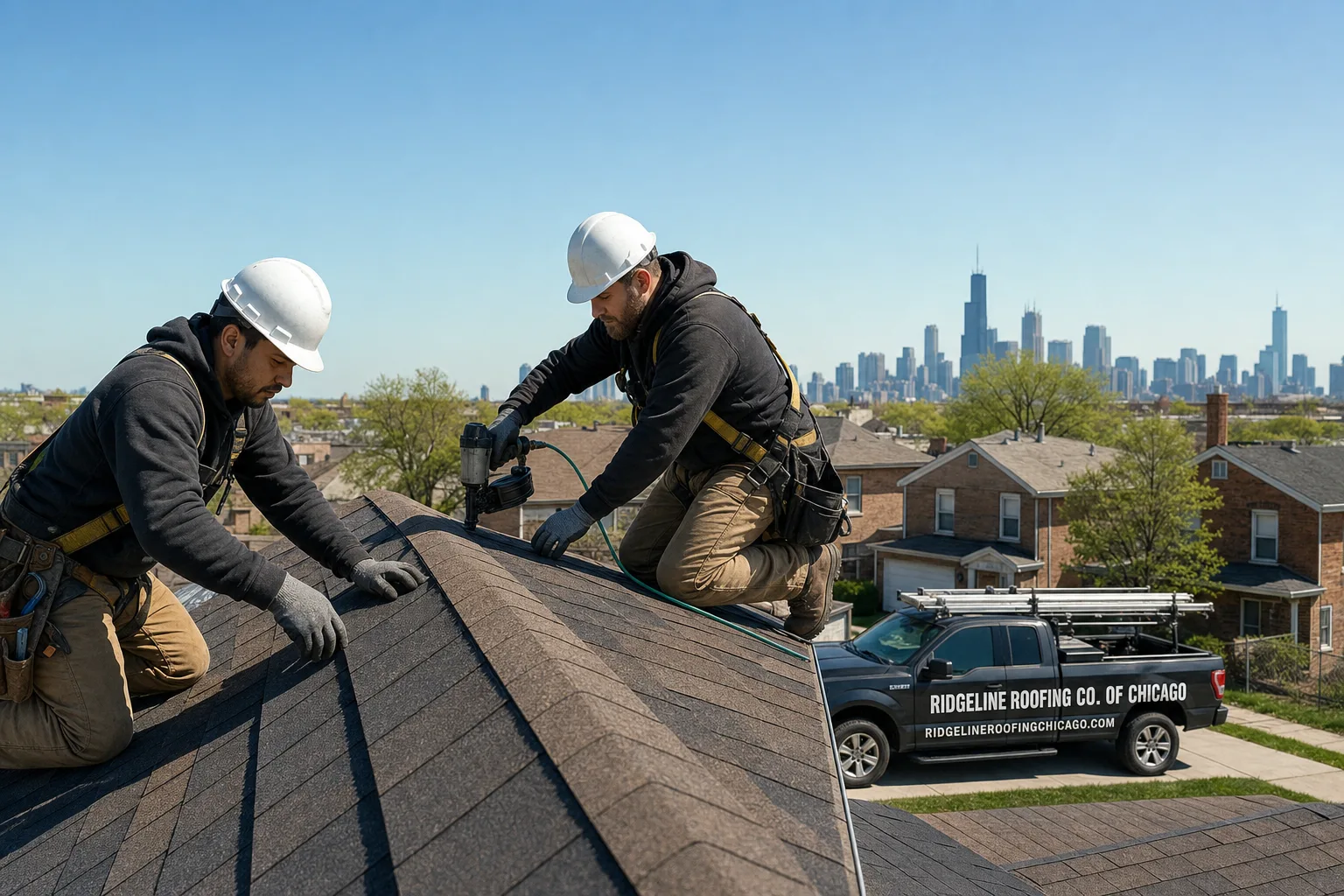
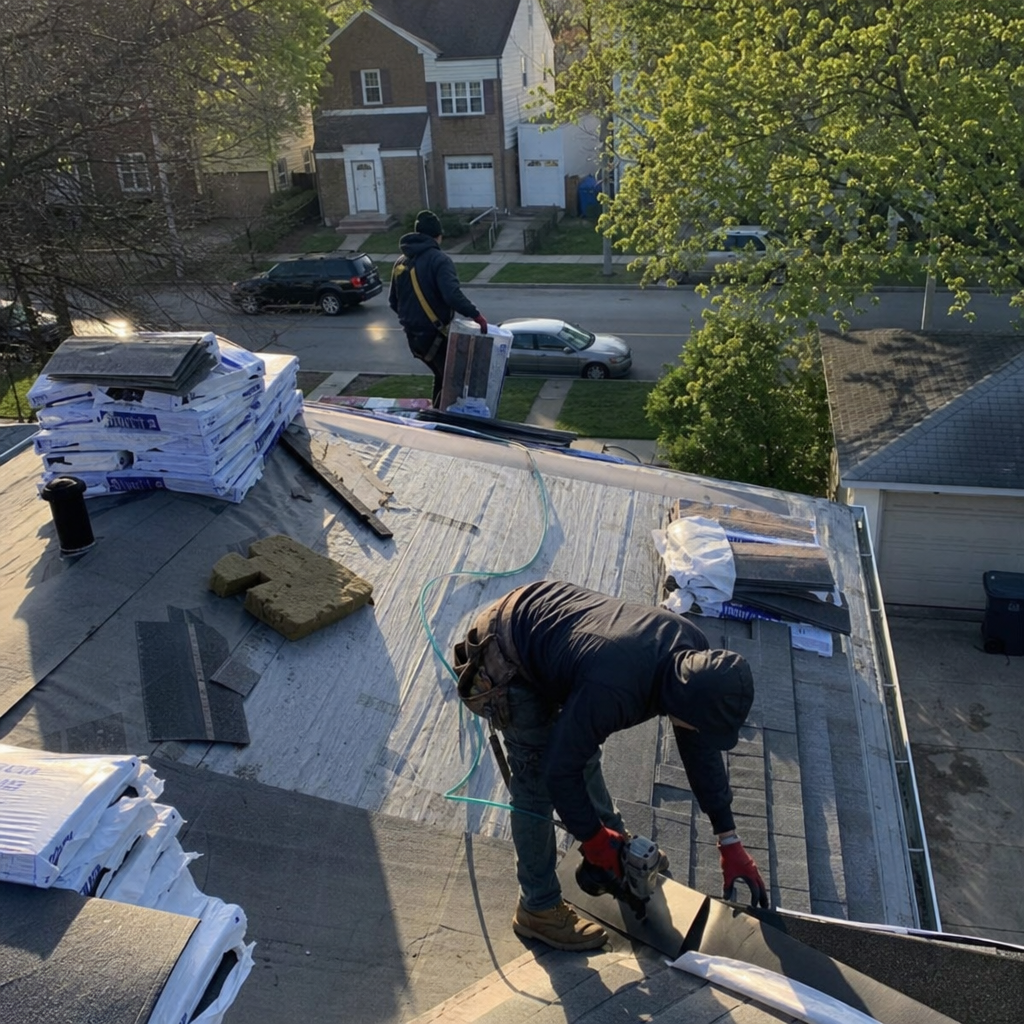
Fast, Reliable Roof Replacement & Installation Across New City
Roof replacement on a typical New City two-flat runs $8,500-$18,000 depending on layers to remove and whether the parapet wall needs rebuilding. Most full tear-offs on these old flat-roof buildings take 2-4 days once Chicago permits clear, and our crews are on South Ashland, West 47th, and Halsted regularly enough that we know the alley access and parking restrictions before we arrive. If you’ve got water coming through the ceiling of your Back of the Yards rental or your own bungalow’s old tar-and-gravel deck has finally given out, call us at (855) 641-3418. We’ve been replacing roofs in this neighborhood since 2016, and we understand what these 1910s-1940s buildings need. A square deal, done right - and if it’s not, we make it right.
Why Ridgeline Roofing Co. of Chicago Is New City’s Preferred Roof Replacement & Installation Company
We’ve been driving to New City for over 42 years, long before the Union Stock Yards closed and long after the storm chasers moved on to the next hail corridor. Our reputation here was built one flat roof at a time, mostly through word of mouth among landlords who own multiple two-flats and homeowners who’ve lived on the same block for thirty years. They call us because we show up, we explain what we’re doing, and we don’t disappear when a problem shows up six months later.
Our reviews from New City customers consistently mention the same things: the technician arrived in uniform, took photos from the actual roof, and explained why the parapet wall was the real problem, not just the membrane. Response time to the 60609 ZIP is typically same-day or next-day for inspections, and we carry modified bitumen, tapered insulation, and parapet flashing stock sized for these older buildings so we’re not ordering parts and leaving you exposed.
Local knowledge matters here in ways it doesn’t in a suburban subdivision. We know which blocks have narrow alleys where a boom truck won’t fit, which buildings share parapet walls with neighbors who haven’t spoken in years, and how to navigate Chicago’s permit office for roofing work on landmark-eligible structures. That familiarity saves time and prevents the kind of mistakes that turn a straightforward tear-off into a liability nightmare.
Our Roof Replacement & Installation Services in New City
Flat Roofing
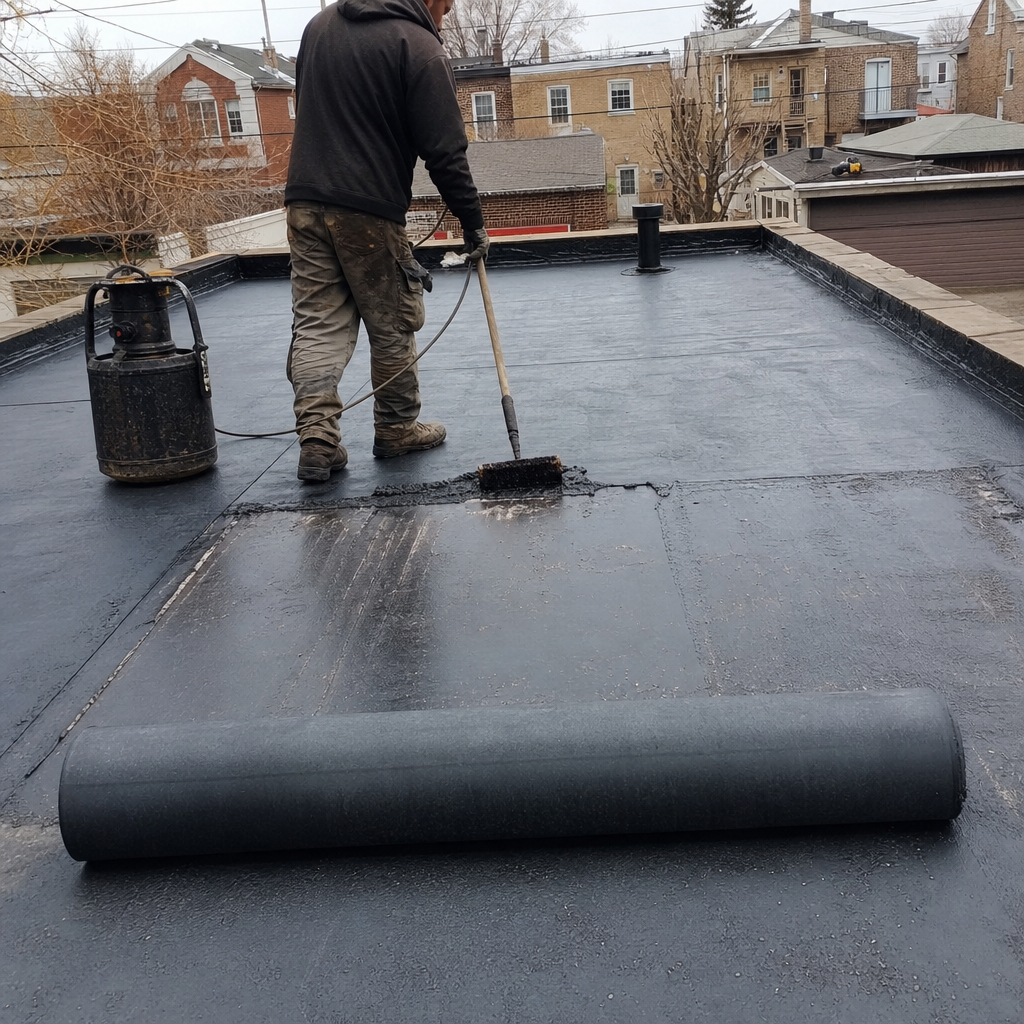
Flat and low-slope roofs dominate New City’s housing stock, and they’re what we install most often in the 60609 ZIP. On a typical 1920s two-flat on South Ashland Avenue, we found five layers of built-up roofing over the original tar-and-gravel deck - ponding water had rotted the cant strip at the parapet. We coordinated with the adjacent owner, stripped all layers, installed a new modified bitumen membrane with proper tapered insulation to eliminate ponding, and tied in new counterflashing at the shared wall. The owner avoided a liability claim from next door and got a leak-free roof with a 20-year warranty. We install GAF and CertainTeed modified bitumen systems, and we always specify tapered insulation on these old decks where ponding is chronic.
Full Roof Replacement
A full replacement on a New City two-flat or three-flat is labor-intensive work. Multiple layers of built-up roofing, often containing asbestos in the older felts, must be removed to the deck. Chicago requires permits for all roofing work, and on shared parapet buildings, we coordinate with adjoining owners before touching the party wall. Our Roof Replacement & Installation crews are trained specifically for this: background-checked, uniformed, and equipped with photo documentation at every stage. The 90-Day Done Right Promise applies to every full replacement - if it’s not right, we come back and make it right, no paperwork, no arguing.
New Construction
New construction roofing in New City is rare compared to replacement work, but we handle it when it arises - infill projects on cleared lots, garage roof-over builds, and additions to existing bungalows. We spec materials to match or exceed the existing structure’s performance, and we coordinate with Chicago’s Department of Buildings on permit and inspection scheduling. For flat-roof additions, we extend the same tapered insulation and proper drainage specifications we use on full replacements, so the new work doesn’t create a ponding zone against the old.
Asphalt Shingles
Asphalt shingles have limited application in New City’s flat-roof housing stock, but some bungalows and newer infill construction do have pitched sections or full gable roofs. Where shingles make sense, we install Atlas and Tamko architectural lines with proper ice-and-water shield at the eaves to handle Chicago’s freeze-thaw cycling. We do not install shingles on flat decks - that’s a shortcut that leads to ponding, premature failure, and callbacks. If a New City homeowner asks for shingles on a low-slope section, we explain why modified bitumen is the right material and quote it accordingly.
Metal Roofing
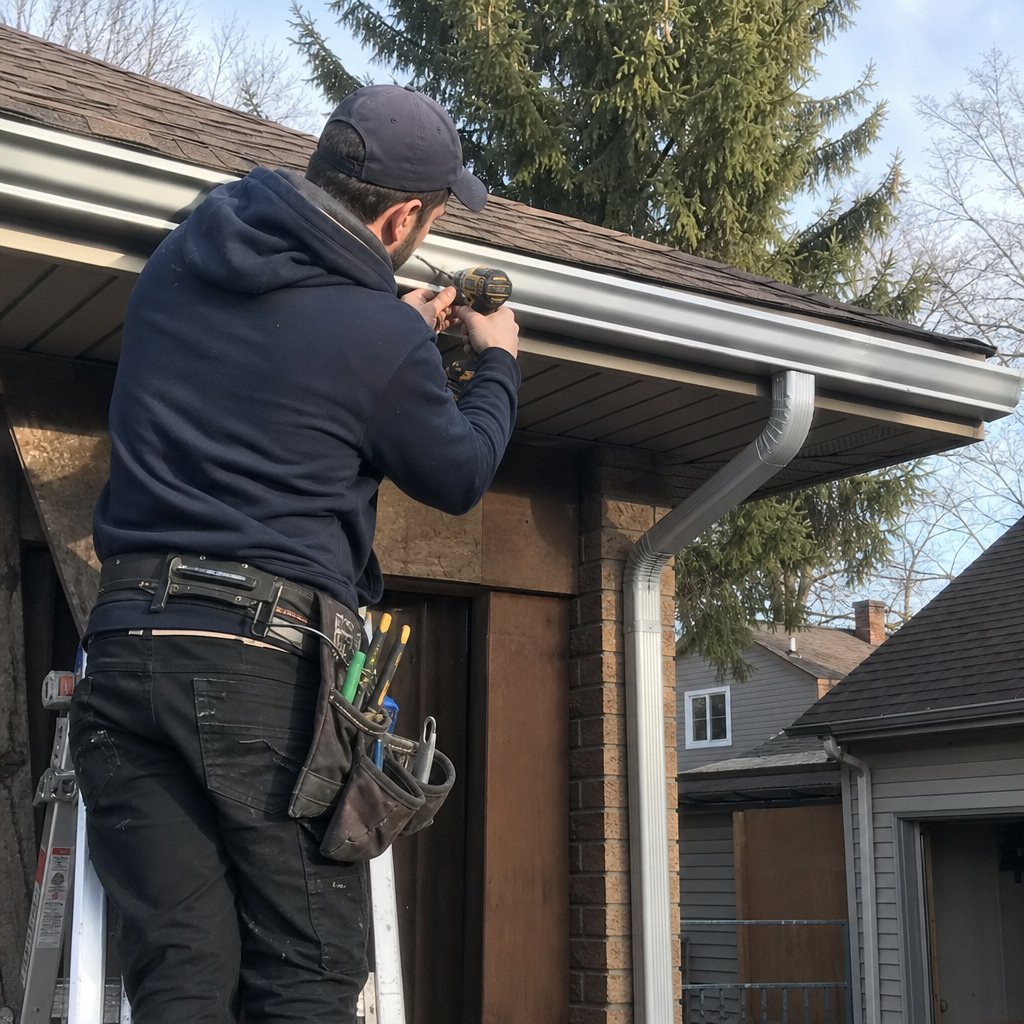
Standing-seam metal roofing sees growing interest among New City homeowners doing full-gut renovations on bungalows or converting attics into usable space. Metal sheds snow and ice more effectively than asphalt in Chicago’s winters, and its lifespan often exceeds 50 years. We install metal on pitched applications only - never on flat decks where improper installation creates galvanic corrosion at fasteners and seam failure from thermal cycling. For New City’s older housing stock, metal is typically a specialty application rather than the default.
Tile Roofing
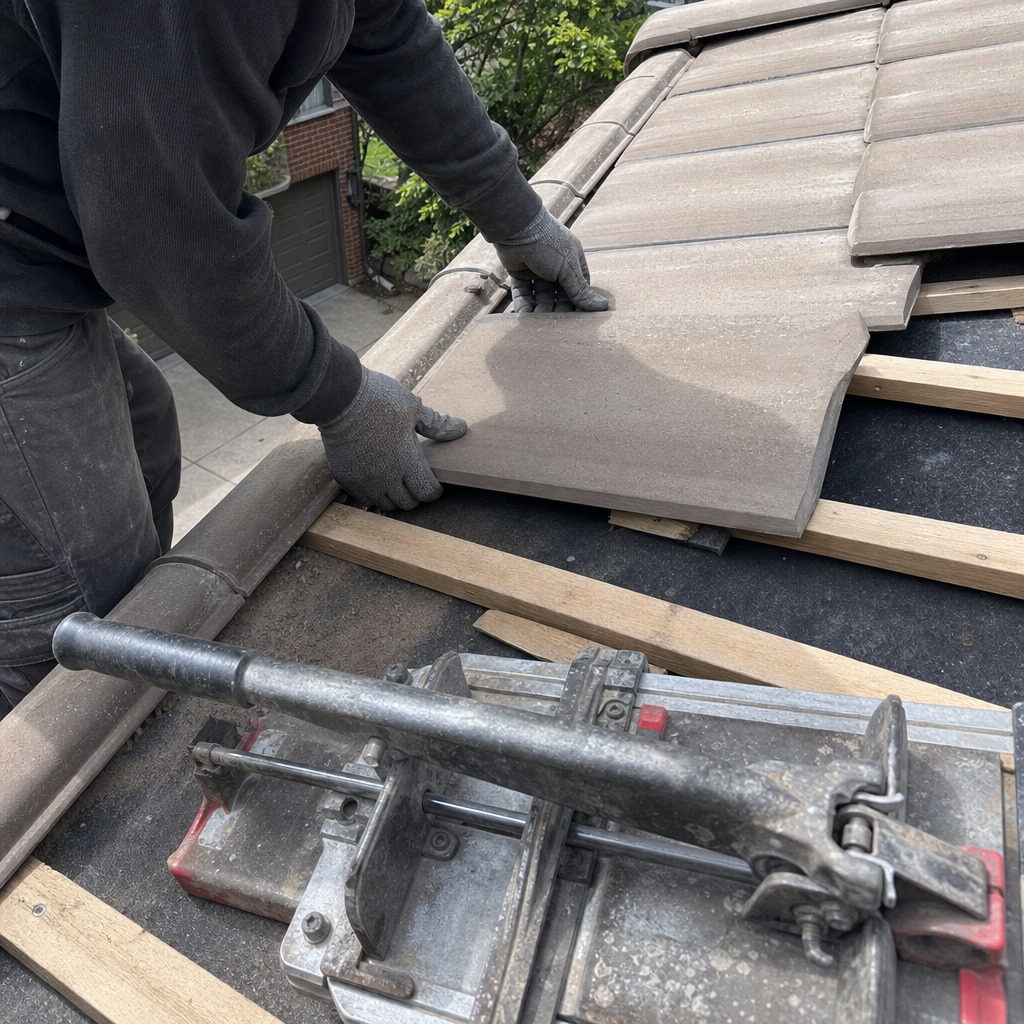
Clay and concrete tile roofing is uncommon in New City’s original housing stock but appears on some Spanish Revival infill and custom renovations. Tile is heavy - often 850-1,000 pounds per square - and many New City structures built in the 1920s with balloon framing and older rafters need structural assessment before tile can be specified. We handle this evaluation as part of our estimate, and we won’t quote tile on a deck that can’t carry the load safely.
What happens when you call
- 1
A real person answersNo phone trees - you reach a local pro.
- 2
You get an upfront price rangeHonest numbers before anyone is dispatched.
- 3
A background-checked tech heads outLicensed & insured, dispatched right away.
- 4
You approve before work beginsNothing starts until you say go.
Trusted Brands We Service in New City
We are authorized installers for GAF, CertainTeed, Owens Corning, IKO, Atlas, Tamko, and Boral, and we stock the modified bitumen, tapered insulation, and parapet flashing components most commonly needed for New City’s flat-roof inventory. For Back of the Yards two-flats and three-flats, we typically specify GAF or CertainTeed modified bitumen systems with matching manufacturer’s warranties of 15-20 years. We don’t substitute materials without written approval - the brand on the estimate is the brand on the roof. Local parts availability means most New City jobs don’t wait on special orders; our trucks carry the standard membrane rolls, insulation boards, and metal flashing profiles these buildings require.
Common Roof Replacement & Installation Problems We See in New City Homes
- Multiple layers of built-up roofing hiding deck damage. We’ve stripped five or more layers on some 1920s two-flats, each layer adding weight and concealing rotted decking beneath. The tear-off is the most critical phase - miss soft decking here, and your new membrane fails in two years.
- Freeze-thaw splitting at membrane seams. Chicago’s temperature swings from below zero to humid summer highs cause ponding water to freeze, expand, and split built-up seams. New City’s flat roofs suffer this worse than suburban pitched roofs because water doesn’t drain - it sits until it finds a crack.
- Shared parapet walls with uncoordinated flashing work. In this tightly packed neighborhood, many flat-roof two-flats share a common parapet wall with an adjacent building. A roofer who doesn’t account for flashing transitions at shared party walls - and doesn’t coordinate with both property owners before tearing off - will create leaks next door and potential liability. Roofing crews from suburban markets often don’t anticipate this.
- Improper material substitution on flat decks. Asphalt shingles installed on a flat or low-slope deck trap ponding water and fail within months. We’ve been called to fix this exact mistake on West 47th Street - a handyman special that cost the homeowner twice what proper modified bitumen would have.
Pricing for Roof Replacement & Installation in New City, IL
| Service | Typical Range in New City | What Affects Cost |
|---|---|---|
| Flat roof tear-off and replacement (single-layer, small two-flat) | $8,500 - $14,000 | Layers to remove, deck condition, parapet rebuild needed |
| Flat roof tear-off and replacement (multi-layer, large three-flat) | $14,000 - $22,000 | Asbestos in old felts, shared parapet coordination, tapered insulation |
| Modified bitumen overlay (single layer, sound deck) | $5,500 - $9,500 | Deck must pass moisture probe; not suitable for all buildings |
| Bungalow asphalt shingle replacement (pitched roof) | $7,500 - $13,500 | Steepness, dormers, ice-and-water shield extent |
| Metal roofing (standing seam, pitched application) | $18,000 - $32,000 | Panel gauge, complexity, structural reinforcement if needed |
| Parapet wall rebuild (per linear foot) | $85 - $150 | Height, brick replacement, through-wall flashing |
These ranges reflect what we actually quote on New City jobs in 2024-2025. Every estimate is free, written, and firm - the number we give is the number on the invoice. Call (855) 641-3418 to schedule an inspection. We’ll photograph your roof, measure layers with a core cut, and explain exactly what your building needs.
We Also Serve Cities Near New City
Our crews work throughout Chicago’s South Side and nearby neighborhoods. If you’re just outside the 60609 ZIP, we also handle Roof Replacement & Installation in New City adjacent areas including Grand Boulevard, West Englewood, Englewood, and McKinley Park. Same crews, same standards, same 90-Day Done Right Promise.
Serving New City, IL - Our Local Coverage Area
We’re based in the New City area and know this community well. Use the map below to see our service coverage - if you’re nearby, we can almost certainly help.
FAQs - Roof Replacement & Installation in New City
Yes - Chicago requires a permit for all roofing work, including flat roof replacement on two-flats and three-flats. We handle permit application, scheduling, and inspection coordination as part of our standard process. The permit fee is typically included in our written estimate, and we don’t start tear-off until it’s posted. Call (855) 641-3418 and we’ll walk you through the timeline.
We tear off to the deck on nearly every New City job - it’s the only way to inspect for rot, assess structural integrity, and install tapered insulation properly. On a recent job near West 47th Street, we removed four layers and found the original 1920s tar-and-gravel deck had sagged, creating a permanent ponding zone. Overlaying new membrane on that would have guaranteed failure. The extra labor for full tear-off costs more upfront, but it’s the difference between a 20-year roof and a 3-year callback.
Three reasons: age of housing stock, density of construction, and Chicago’s extreme freeze-thaw cycle. New City’s flat-roof two-flats were built 80-110 years ago with minimal insulation and no tapered decking - water ponds, freezes, expands, and splits seams. Suburban homes built after 1970 typically have pitched roofs with engineered trusses, modern ventilation, and better drainage. Plus, in Back of the Yards, shared parapet walls and accumulated layer weight add stress that suburban roofs don’t face.
We inspect both sides of the party wall, photograph existing conditions, and coordinate with your neighbor before removing any flashing. On shared parapets, we install new through-wall flashing and counterflashing that protects both properties, and we document the work with photos for both owners. Skip this step, and you risk water intrusion into the adjacent unit - and potential liability. We’ve seen suburban crews miss this entirely. We don’t.
No - we won’t do it, and any contractor who proposes it on a flat or low-slope deck in New City is cutting corners. Asphalt shingles require minimum 2:12 pitch to drain properly. On a flat deck, water ponds beneath the shingles, accelerates granule loss, and rots the deck from the underside. For New City’s flat-roof housing stock, modified bitumen or built-up roofing is the correct specification. We’ll explain why and quote the right material.
Written by Pete Callahan, Owner at Ridgeline Roofing Co., serving New City and Chicago’s South Side since 2016.