
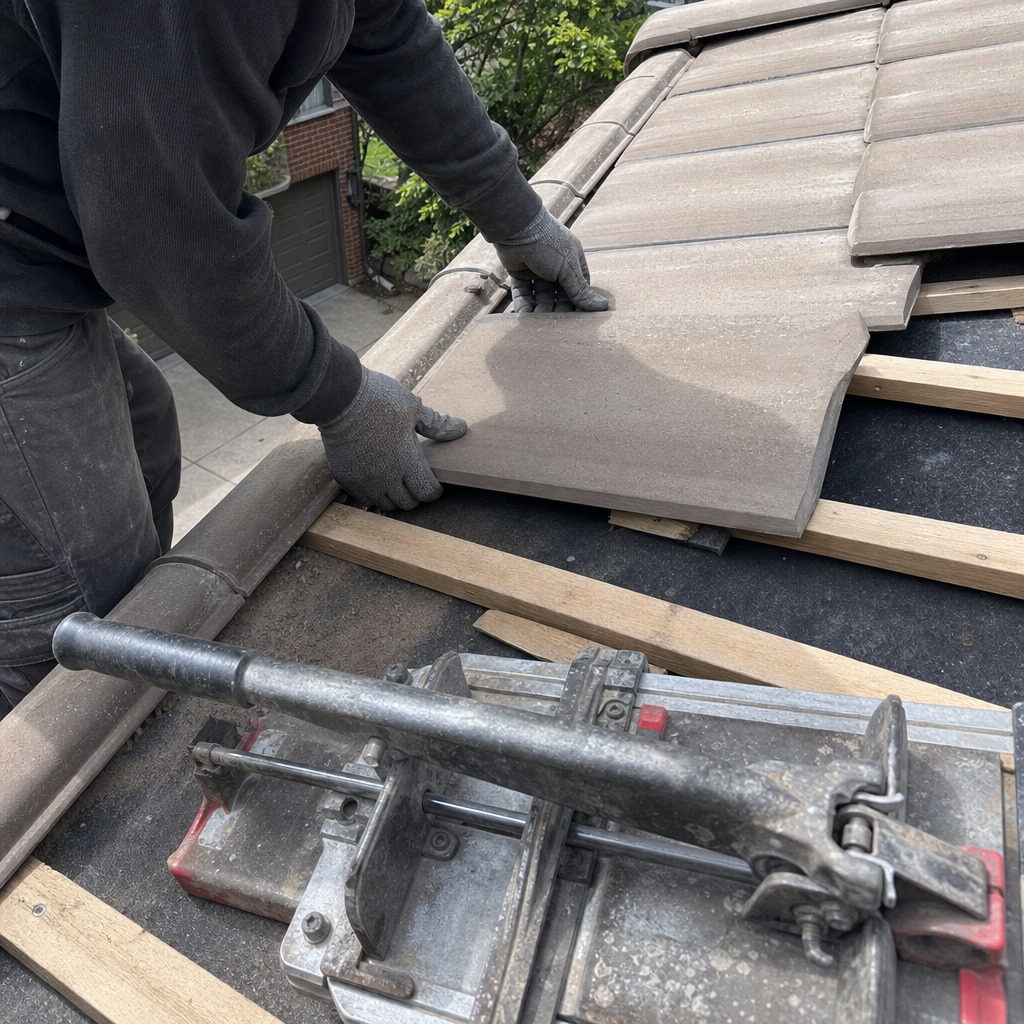
CertainTeed Flashing Replacement: The Chicago Owner’s Guide
We stock and install CertainTeed-compatible flashing replacement across Chicago, with most residential jobs running between $320 and $780 installed depending on access, linear footage, and whether we’re matching existing profiles on a repair job. Same-day service is available when you call before noon, and our trucks carry the common CertainTeed widths and profiles used on Chicago homes from the 1990s forward. Most homeowners discover their flashing has failed after a hard rain leaves a water stain on the ceiling below a chimney, wall intersection, or skylight - sometimes years after the original installation looked fine from the ground.
Which CertainTeed Models This Applies To
CertainTeed flashing isn’t one-size-fits-all, and that’s where mismatches start. We regularly see this on Landmark, Landmark Pro, and NorthGate shingle systems, plus the older Independence and Presidential Shake lines still common in Oak Park and Evanston. The critical detail is the profile match: CertainTeed’s pre-formed step flashing comes in 8-inch and 10-inch exposed widths, and using the wrong one creates a lip that either channels water backward or leaves the shingle edge unsupported.
To identify what you’ve got, we look for the stamped code on the existing flashing’s hem - usually a series number and gauge marking. If the original installer used CertainTeed’s proprietary WeatherBarrier integrated system, the replacement must match that channel depth exactly; standard aftermarket step flashing won’t seat properly and will telegraph through within two seasons. We carry both OEM CertainTeed flashing and a vetted aftermarket equivalent from Boral that meets the same 26-gauge minimum for painted steel and .032 for aluminum. For most Chicago repair jobs, the aftermarket performs identically at a lower parts cost. On full-wall or chimney rebuilds where the flashing is the last line of defense, we prefer OEM for the exact bend geometry.
Ridgeline Roofing Co. of Chicago is an independent service provider - we’re not affiliated with CertainTeed, though we’re authorized to install their full product line.
Signs Your CertainTeed Flashing Replacement Is Failing
- Water stains on interior ceilings or walls below roof penetrations. This means the flashing’s seal has breached at the counterflashing joint or the step flashing has pulled away from the masonry. In Chicago, freeze-thaw cycles from November through March accelerate this separation by forcing ice into gaps that open during thermal contraction.
- Rust streaks running down the siding or brick below chimney or wall intersections. The galvanized coating on older CertainTeed steel flashing has failed, usually at the bend points where the metal work-hardened during installation. Once rust starts, the metal thins rapidly and pinholes develop within a season.
- Lifted or cracked shingles directly above the flashing line. The flashing has shifted or the drip edge has separated, creating a wind scoop that lifts shingles and drives rain underneath. We see this most on west-facing walls where Chicago’s prevailing winds hit hardest.
- Visible gaps between the flashing and adjacent surfaces. Caulk or sealant has dried and fallen away, or the flashing was never properly embedded in mortar on a brick chimney. This is a slow leak that often goes unnoticed until the sheathing behind it rots.
- Musty odors in attics or top-floor closets after rain. Water is entering through compromised flashing and saturating insulation or framing before it ever reaches the ceiling drywall. By the time you smell it, the damage has typically spread beyond the flashing itself.
Replacement Cost & What’s Included
| Job Type | Typical Range (Chicago) | What’s Included |
|---|---|---|
| Single wall intersection (step flashing, 8-10 linear feet) | $320 - $480 | Removal, matching replacement, ice-and-water shield integration, shingle repair around work area |
| Chimney base (full surround, standard height) | $580 - $780 | Counterflashing cut and reseat, step flashing replacement, sealant, surrounding shingle repair |
| Skylight perimeter (standard 2×4 or 4×4) | $420 - $640 | Decking inspection, flashing kit integration, interior water damage check |
| Emergency tarp and temporary seal | $150 - $250 | Weatherproofing until permanent repair, credited toward full job if booked within 14 days |
The range depends on three things: how many stories we’re working at, whether we need to remove and reset masonry counterflashing, and the condition of the surrounding shingles. We don’t quote over a photo - we inspect, document with pictures from your actual roof, and give you a written number that doesn’t change. The price we quote is the price you pay. Every flashing replacement carries our 90-Day Done Right Promise: if it’s not right, we come back and make it right, no paperwork, no arguing.
DIY or Call Us?
There’s a safe middle ground here, and then there’s the point where a ladder and good intentions stop being enough.
What you can check from the ground or a secure ladder: look for the rust, gaps, and lifted shingles we described above. Note the location. If you have attic access, a flashlight inspection of the rafter bays below suspected areas can confirm active leaking before water ever hits your ceiling. That’s useful information, and it costs nothing.
Where DIY goes wrong: flashing replacement requires removing shingles without tearing them, bending metal to match existing profiles, and integrating with the underlayment system without creating new paths for water. On a two-story Chicago frame house with standard 6/12 pitch, you’re working at height with tools on a surface that sheds footing. The metal edges are sharp, the sealants require clean dry surfaces in weather windows that Chicago rarely provides, and a misaligned piece won’t leak until the next hard rain - by which point you’ve already put the ladder away. We don’t say this to drum up work. Pete Callahan has carried too many homeowners through the aftermath of a well-meaning weekend repair that turned into a sheathing replacement.
If you’re unsure, call (855) 641-3418. We’ll look at it, show you photos of what we found, and tell you straight whether it’s a job for us or something you can safely wait on.
FAQs
Properly installed CertainTeed aluminum flashing lasts 20 to 30 years in Chicago’s climate; painted steel runs 15 to 20 before the coating fails at the bends. The determining factor isn’t the metal itself but the quality of the installation - specifically whether the counterflashing was properly embedded and whether ice-and-water shield was used at vulnerable intersections. Call (855) 641-3418 and we’ll assess what you’ve got and how much life remains.
Small sealant failures at counterflashing joints can be resealed if caught early and the metal itself is sound. Once rust, bending, or pull-back has occurred, repair is a temporary patch that usually fails within 12 to 18 months. We don’t recommend throwing good money at bad metal. A roof doesn’t need to be impressive. It needs to hold.
Most residential flashing replacements take two to four hours on site, including inspection, documentation, and cleanup. Chimney surrounds with masonry counterflashing may run a full day. We complete most jobs in a single visit because our trucks stock the common CertainTeed profiles and gauges.
Yes - we carry 8-inch and 10-inch step flashing in both aluminum and painted steel, plus counterflashing stock in standard brown and gray. For less common CertainTeed profiles or color-matched jobs, we pull from our supplier in Cicero and typically return within 24 hours. If you have your original CertainTeed documentation or can read us the stamp code on your existing flashing, we’ll confirm match before we roll.
Written by Pete Callahan, Owner, Ridgeline Roofing Co. of Chicago at Ridgeline Roofing Co. of Chicago, serving Chicago and nearby areas.